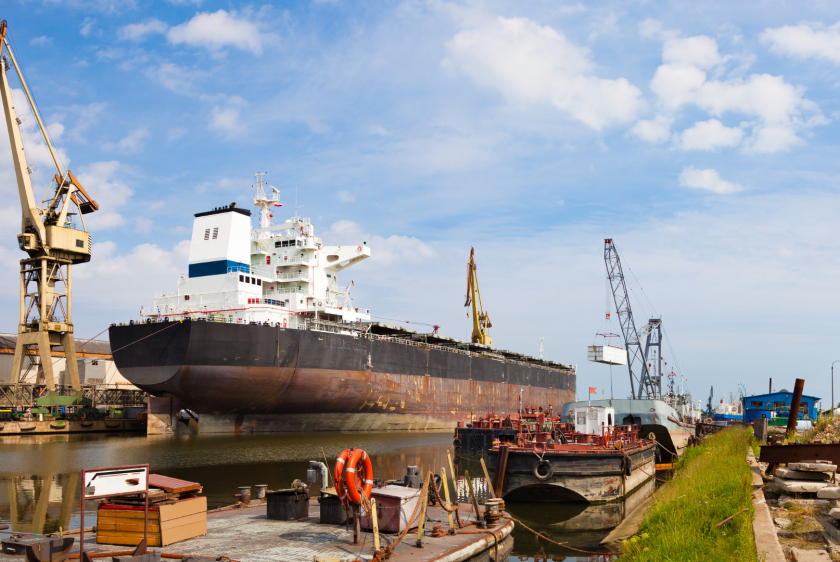
The International Maritime Organization is paying more attention to how ships perform in real operation in 2026.
The Carbon Intensity Indicator (CII) rules already exist.
What has changed is how they are checked and reviewed.
What is changing in 2026
Ships with poor CII results are now reviewed more closely.
If a ship receives:
- A D rating for three years, or
- An E rating in one year
the ship must submit a corrective action plan to the flag state.
In 2026, this plan must show real technical actions, not only operational ideas.
Why technical condition matters
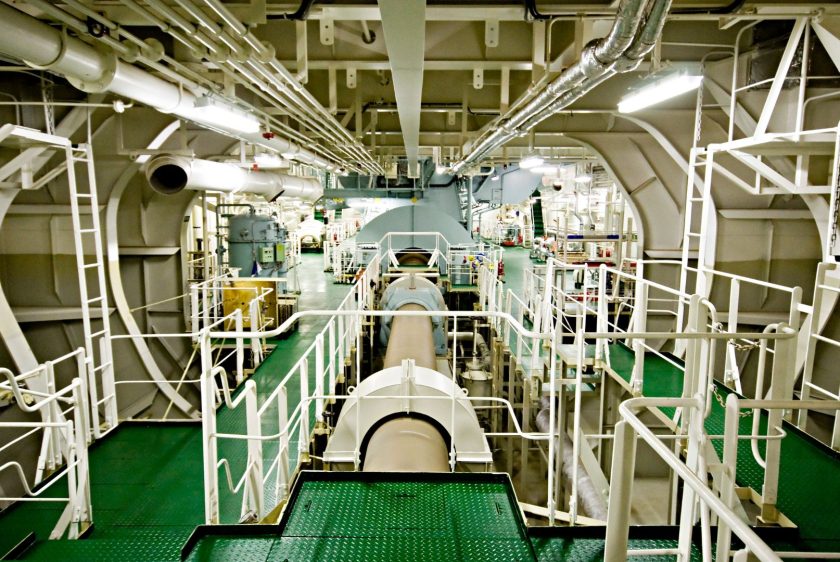
CII is affected by how the ship works every day.
Inspectors now look more at:
- Fuel consumption over time
- Engine and auxiliary efficiency
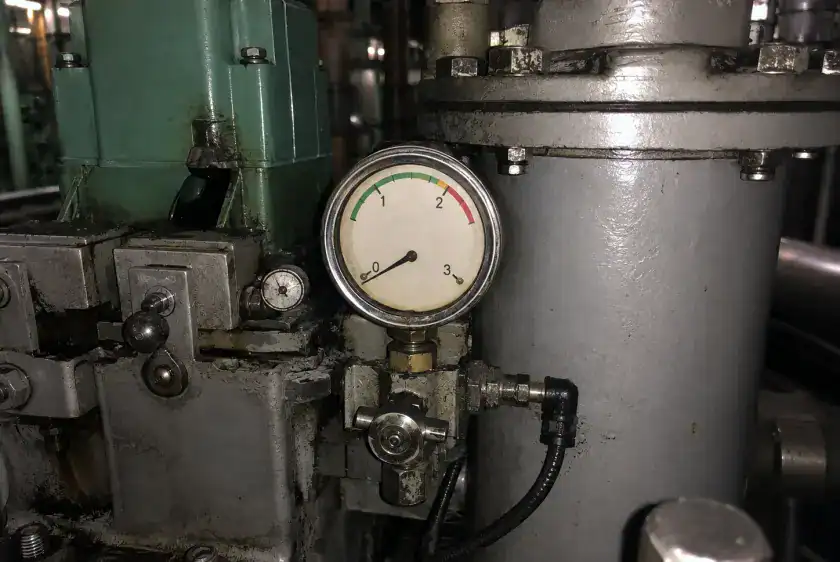
- Condition of pumps, valves, and filters
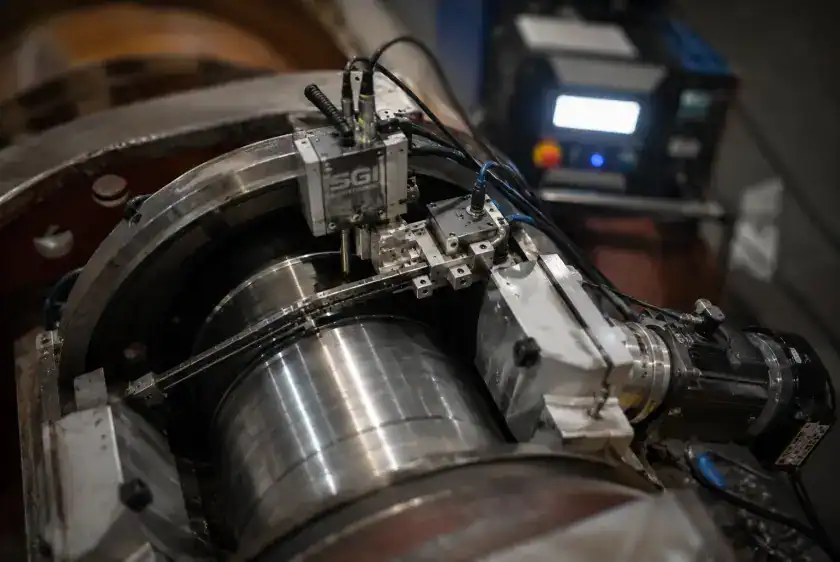
- Sensor accuracy and calibration
Small problems can reduce efficiency slowly.
Over time, this affects the CII rating.
Environmental systems are included
Environmental systems also affect CII.
Examples include:
- BWTS with blocked filters or weak UV performance
- Scrubbers using more power than normal
- Pumps and valves not working correctly
These systems increase power demand if not maintained well.
Records and reports are important
In 2026, good records are very important.
Inspectors often ask for:
- Maintenance records
- Calibration certificates
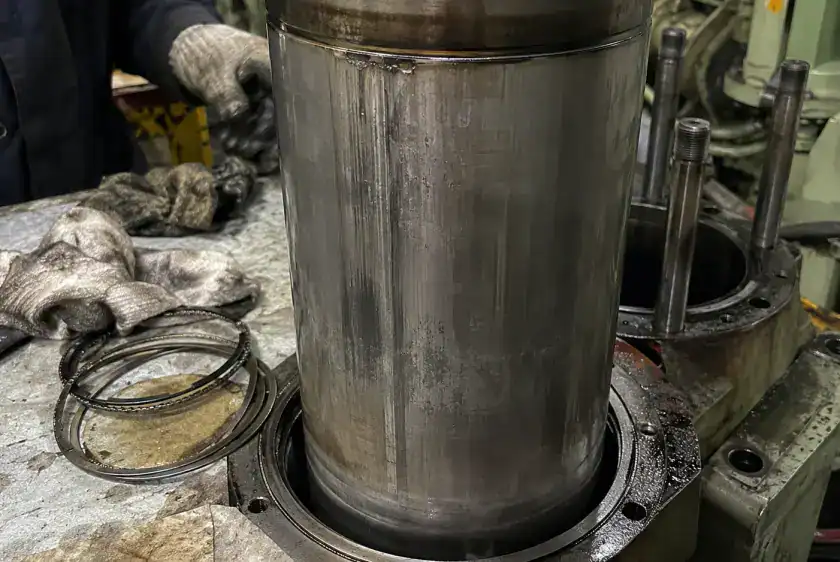
- Service and repair reports
- System operation logs
These documents show that systems are working correctly.
What this means for ship operators
CII is not only about speed or voyage planning.
It also depends on:
- Good machinery condition
- Correct system operation
- Regular maintenance
- Accurate sensors
Technical condition now affects compliance.
Technical service and maintenance
As checks become stricter, technical service becomes more important.
Regular service helps:
- Keep systems efficient
- Reduce fuel consumption
- Support good CII results
- Avoid inspection issues
In 2026, CII is strongly linked to how well a ship is maintained.