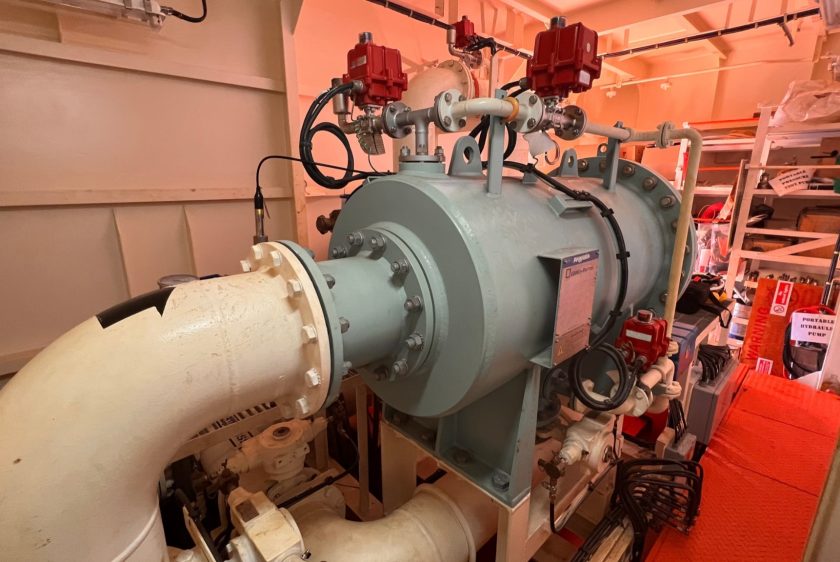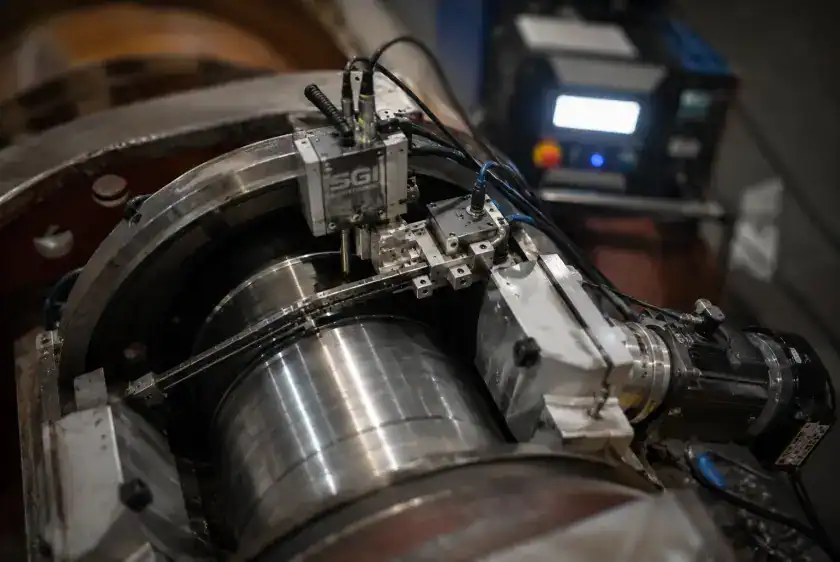
From 1 January 2026, the EU Emissions Trading System (EU ETS) for maritime transport moves to a new stage.
The main change is that EU ETS reporting and compliance will cover more greenhouse gases, not only CO₂.
This affects ships calling at EU/EEA ports and the shipping companies responsible for compliance.
What changes in 2026
EU ETS for shipping already started earlier.
In 2026, the coverage expands to include methane (CH₄) and nitrous oxide (N₂O), in addition to CO₂.
This means emissions reporting becomes more detailed.
It also means data quality becomes more important.
Why this matters to technical managers
EU ETS compliance is based on measured and verified emissions.
If emissions data is wrong or incomplete, it can create:
- extra questions during verification
- delays in reporting
- higher risk of non-compliance
Technical condition affects emissions and reporting quality, especially:
- sensor accuracy
- stable operation of machinery
- correct logs and maintenance records
The EU also explains that responsibility can depend on who was the “shipping company” during the relevant period, so records matter.
What to check onboard
Before and during 2026, technical teams often focus on:
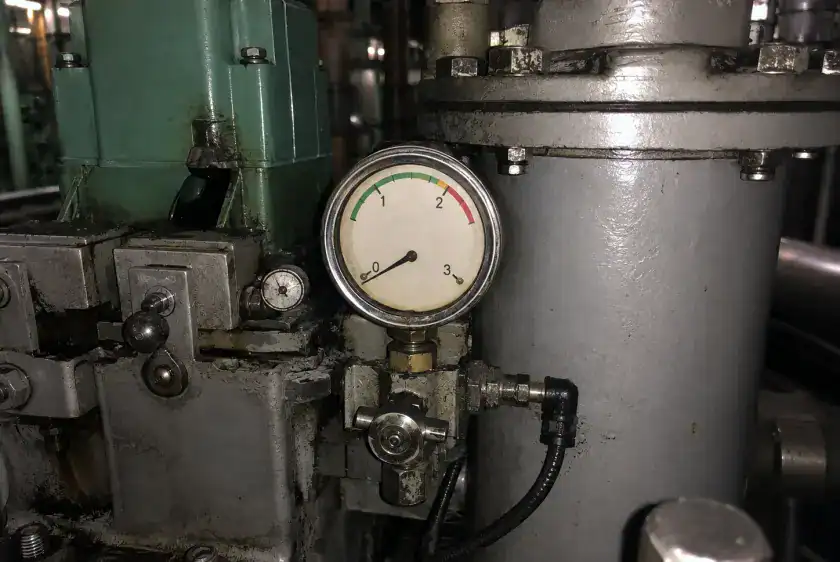
- sensor accuracy (flow, pressure, temperature, instrumentation)
- data gaps (missing values, unstable signals)
- alarm history related to monitoring systems
- maintenance records that support verification
Good technical evidence makes verification easier.
Why Nordast
Nordast supports operators with practical work that helps system performance and reliable technical documentation.
We can support with:
- sensor checks and calibration support
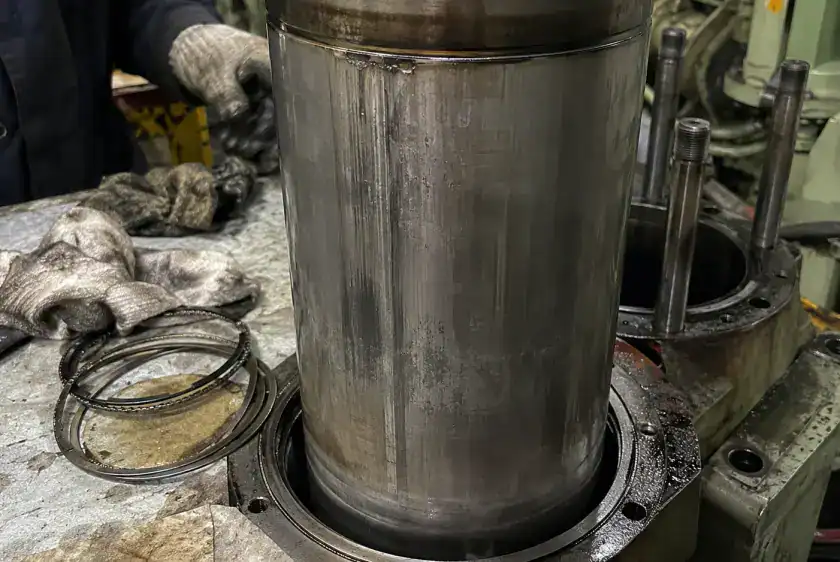
- machinery and auxiliary system service
- troubleshooting alarms and data issues
- spares supply (genuine/OEM)
- clear close-out service reports for technical records
This helps ensure vessel data reflects real operation, which is important when emissions reporting becomes stricter.