As 2025 ends, the International Maritime Organization has approved updated Port State Control (PSC) procedures and survey guidelines that will start being used from 1 January 2026.
These changes do not create new safety or environmental limits on their own. Instead, they shape how inspections and surveys are carried out, helping inspectors focus on the areas most relevant to today’s vessel operations.
What has changed for inspections
The updated PSC procedures and survey guidelines include new checklists and references that align with recent IMO instruments.
Inspectors will now use:
- Updated Procedure for Port State Control Officers (PSCO) guides
- Revised Survey Guidelines under the Harmonized System of Survey and Certification (HSSC)
- New lists of instruments that PSC regimes reference during checks
These tools help inspectors verify that equipment and systems work as intended under normal operation — not just that certificates are valid.
How this affects ship technical teams
The practical impact for technical managers and shore teams is that inspections are expected to place more emphasis on system performance and operational evidence:
- Inspectors may look at alarms, logs, and trends more closely.
- Machinery and environmental systems could be reviewed against system operation, not only installation certificates.
- Surveyors may reference more up-to-date guidelines when deciding on observations or remarks.
This means that systems must be ready, records must be clear, and crews must understand core operation and alarm response.
Common systems likely to draw attention
Systems and equipment that may be part of PSC and survey reviews include:
- Main and auxiliary engines
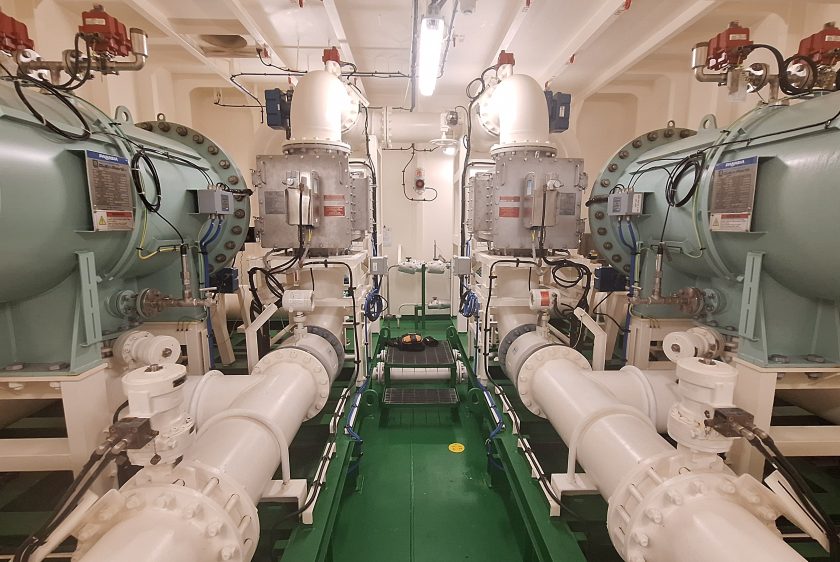
- Environmental systems (e.g., BWTS, scrubbers)
- Pumps, valves, and sensors
- Safety equipment and alarms
- Fuel and emission monitoring devices
Preparing these systems ahead of inspection helps reduce the risk of deficiencies being noted during surveys or PSC visits.
Practical steps for operators going into 2026
To align with the updated PSC and survey approach, technical teams might consider:
- Reviewing alarm history and trends
- Updating maintenance records and service logs
- Confirming sensor calibration status
- Training crews on core system operation and emergency responses
- Checking that manuals and procedures reflect the actual equipment condition
This proactive preparation supports smoother inspections and stronger technical evidence of system readiness.
Why Nordast
Nordast helps operators prepare for real-world inspections and surveys, not just paperwork.
We support vessels with:
- Onboard system testing and verification
- Environmental system maintenance (BWTS, scrubbers, sensors)
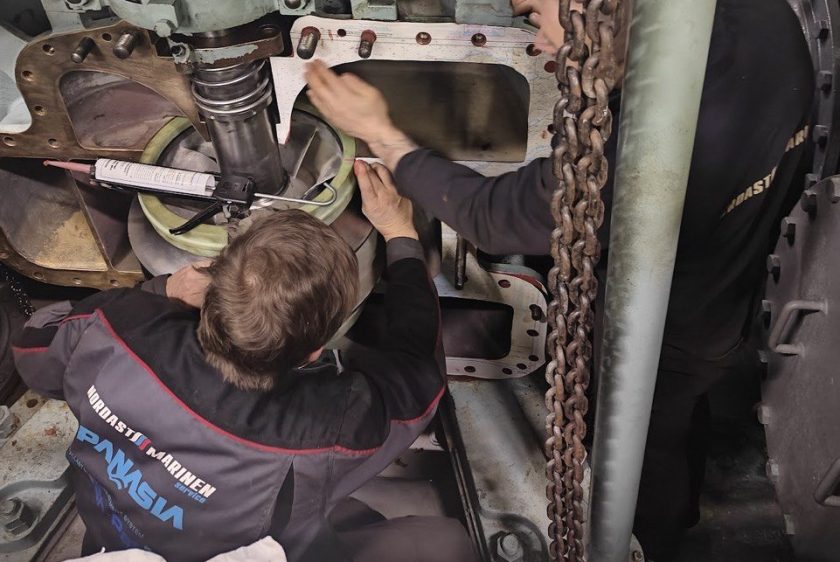
- Mechanical service for pumps and auxiliary equipment
- Sensor calibration and alarm diagnostics
- Clear service reports and documentation
- Genuine/OEM spare parts supply
Our teams work globally to ensure systems operate correctly when inspected — and that crews understand basic operation and responses.