As 2026 approaches, ship operators and technical managers are preparing for more practical and condition-based inspections.
Across the shipping industry, inspections are moving away from certificate review alone and toward how systems actually perform onboard during normal operation.
This shift affects machinery, auxiliary systems, and environmental equipment.
Why inspections are changing
Guidance and enforcement linked to the International Maritime Organization increasingly focus on operational performance.
The main question inspectors ask is no longer only:
“Is the system approved and installed?”
More often, the question is:
“Does the system work correctly today, in real conditions?”
What inspectors now focus on
During inspections, authorities increasingly review:
- Actual system operation, not only manuals
- Equipment condition and visible wear
- Alarm history and fault records
- Maintenance carried out onboard
- Crew understanding of basic operation
These checks apply to both routine inspections and follow-up visits.
Technical condition plays a larger role
Technical condition is now directly linked to inspection outcomes.
Common areas of attention include:
- Engines and auxiliary efficiency
- Pumps, valves, and filters
- Sensors and monitoring equipment
- Environmental systems in daily use
Small unresolved issues can lead to remarks, additional checks, or service requests.
Environmental systems remain high-attention equipment
Environmental systems receive special attention because they operate frequently and affect compliance.
Inspectors often review:
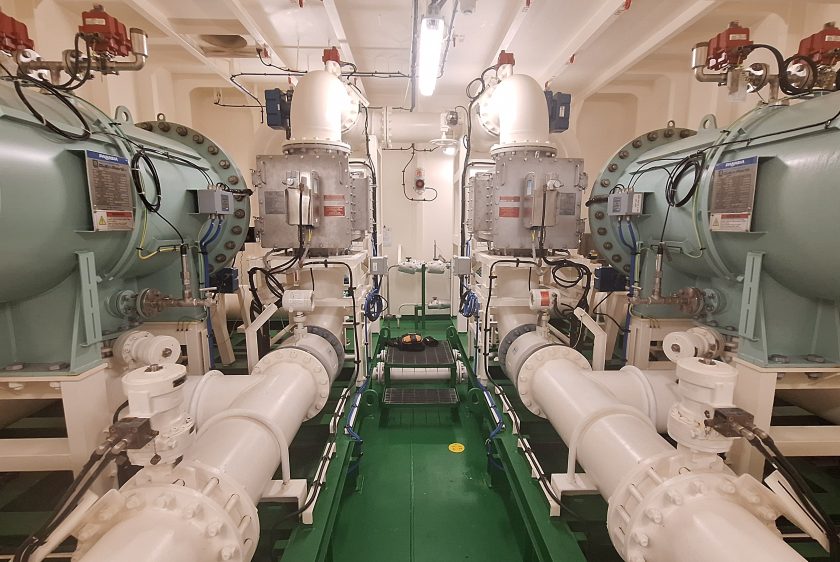
- Ballast Water Treatment System operation
- Scrubber performance and energy use
- Sensor calibration and alarms
- Maintenance and service records
Systems that are approved but poorly maintained may still raise concerns.
Why documentation matters
Documentation supports technical condition.
Clear records help inspectors understand:
- What maintenance was done
- When sensors were last checked
- How systems operated on recent voyages
Good documentation often leads to shorter inspections and fewer questions.
What this means for ship operators
In 2026, inspection readiness depends on:
- Reliable equipment condition
- Correct system operation
- Regular and recorded maintenance
- Accurate sensors and instrumentation
- Crew familiarity with key systems
Technical readiness reduces inspection risk and operational delays.
Why Nordast
Nordast supports ship operators by keeping systems operational, verifiable, and ready for inspection.
Our work includes:
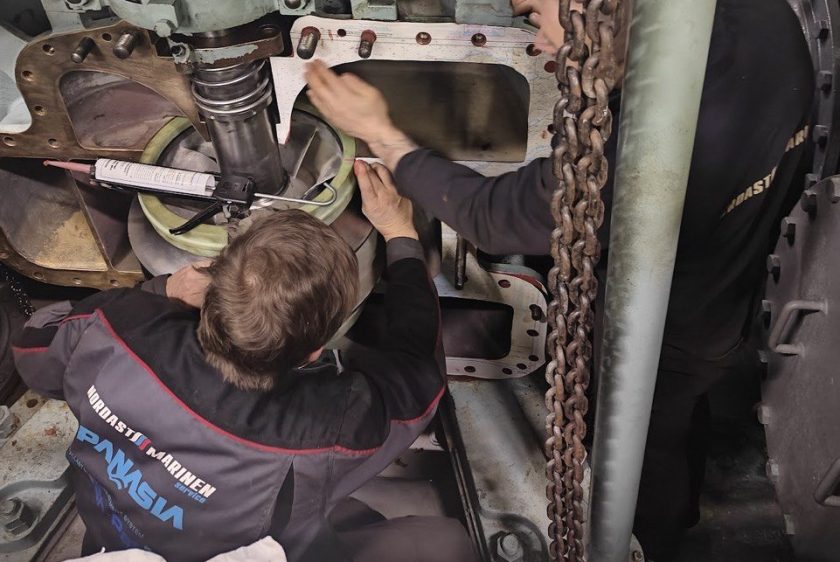
- Mechanical service and repairs
- Environmental system maintenance
- Sensor checks and calibration support
- Troubleshooting alarms and system faults
- Genuine and OEM spare parts supply
- Clear service reports for technical records
Our focus is practical: systems that work as expected when they are checked.