In the past three weeks, the most talked-about topic in shipping has been the possible return of container vessels to the Red Sea and Suez Canal, after long rerouting around Africa.
Some major carriers have said they will restart selected Red Sea services with additional security support.
At the same time, maritime security warnings in the region have not fully disappeared. Recent UKMTO updates show that suspicious approaches and security alerts still happen near the Gulf of Aden area.
What is changing now
For many months, many operators avoided the Red Sea route due to security risks.
Now, some lines are starting limited transits again. This is not a full return for everyone. It is a cautious, step-by-step move.
Why this matters for technical managers
A Red Sea transit is a high-risk voyage. In high-risk areas, operators want zero breakdowns.
If a vessel has a technical failure during transit, it can create:
- Safety risk for crew
- Longer time in the risk area
- Difficulty getting spare parts fast
- Higher cost and more delays
So the key point for technical teams is simple: reliability and readiness.
What operators usually check before a high-risk transit
Technical managers often focus on practical items that reduce the chance of problems:
- Main engine and auxiliaries (stable operation, no leaks, no abnormal temps)
- Steering gear and control systems
- Power supply (generators, load stability)
- Critical pumps and valves (cooling, fuel, ballast)
- Navigation and alarms (bridge and engine room alarms working)
- Spare parts for common failures (filters, seals, sensors, valves, actuators)
These checks are basic, but they prevent many “small” issues from becoming a voyage problem.
What this means for 2026 planning
If more ships return to the Red Sea route, many operators will increase focus on:
- Preventive maintenance before the transit
- Clear defect lists and fast repairs
- Stocking critical spares
- Faster technical response during voyage
This is now a common discussion across fleets, because the route choice may change again depending on security conditions.
Why Nordast
Nordast supports operators with practical readiness and fast technical support.
We help with:
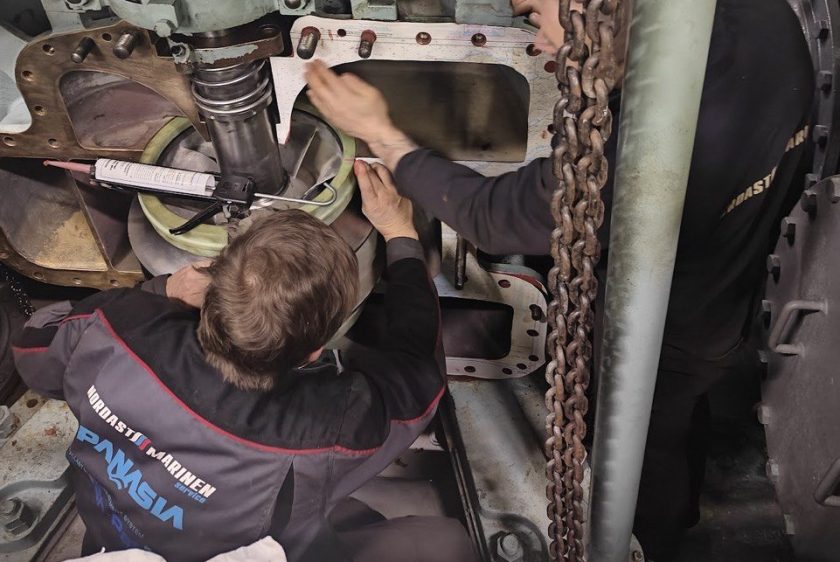
- Planned maintenance and corrective repairs before voyage
- Troubleshooting of alarms, pumps, valves, sensors, and auxiliaries
- Genuine/OEM spare parts supply for urgent needs
- Clear service reporting for technical records and handover
Our focus is simple: reduce risk of technical failure during critical voyages.