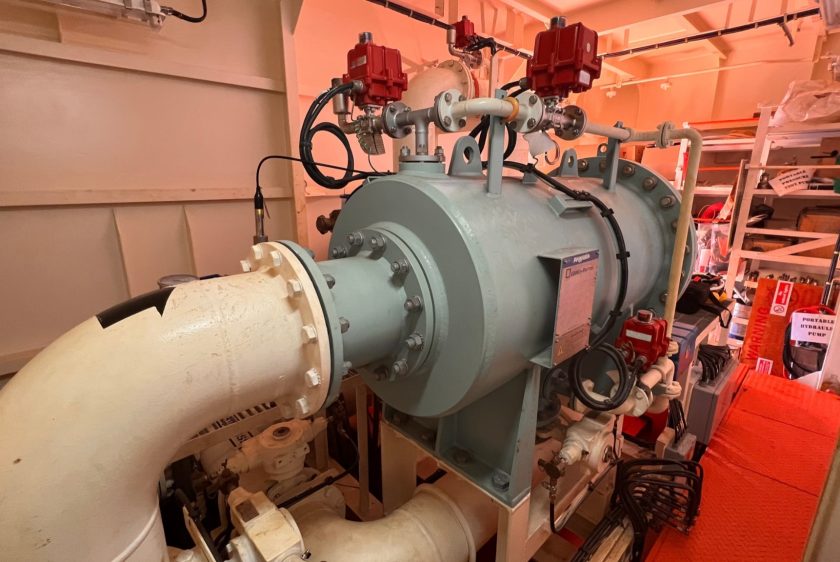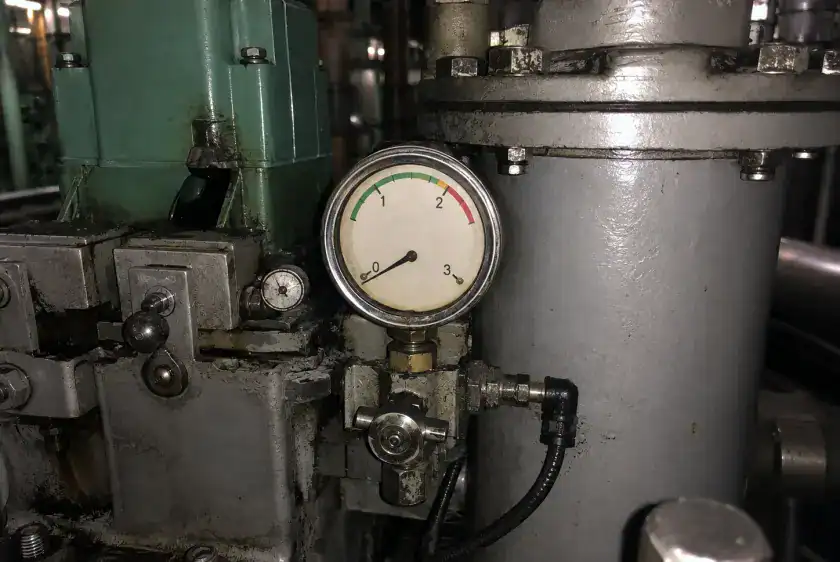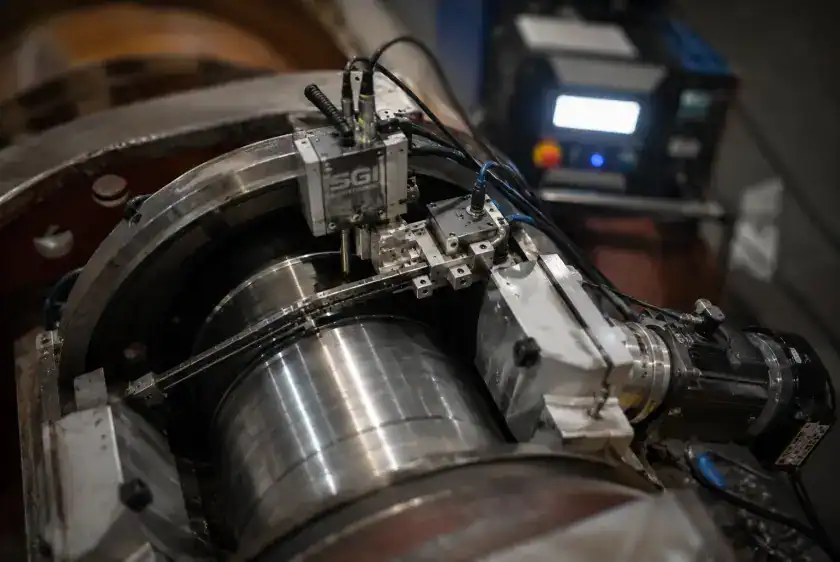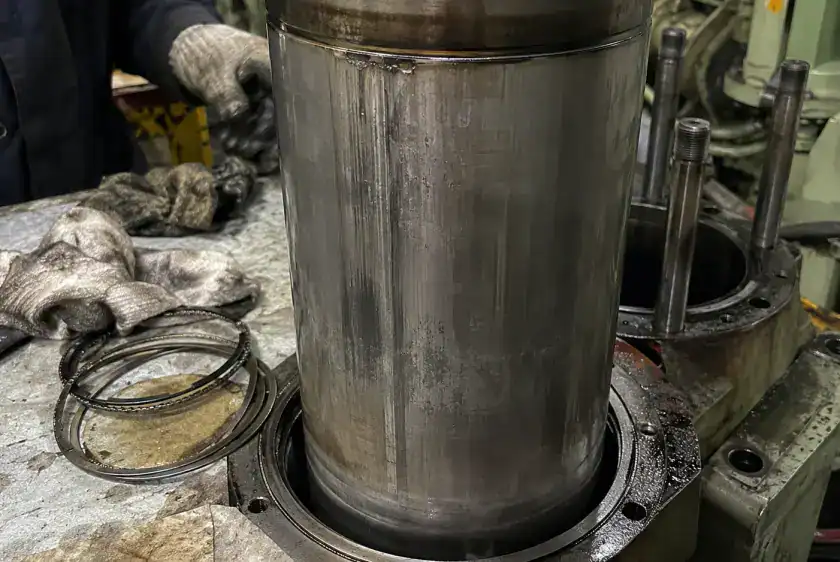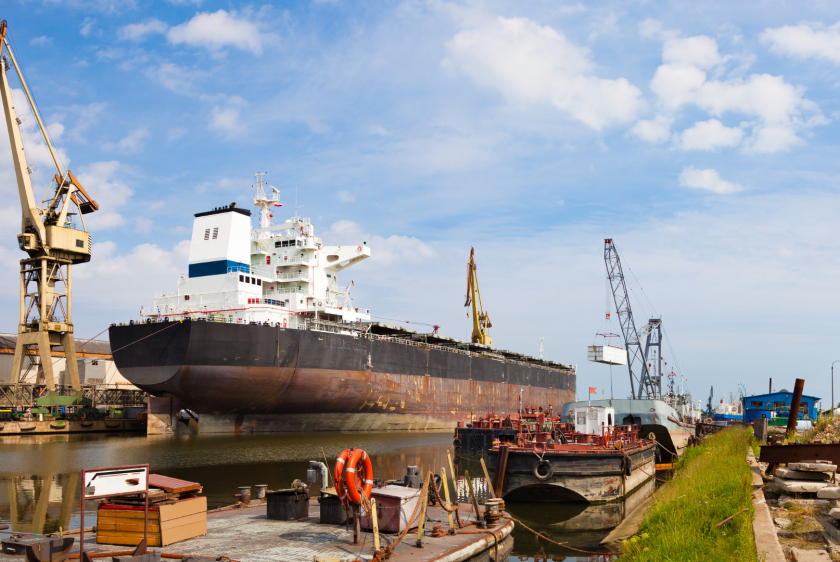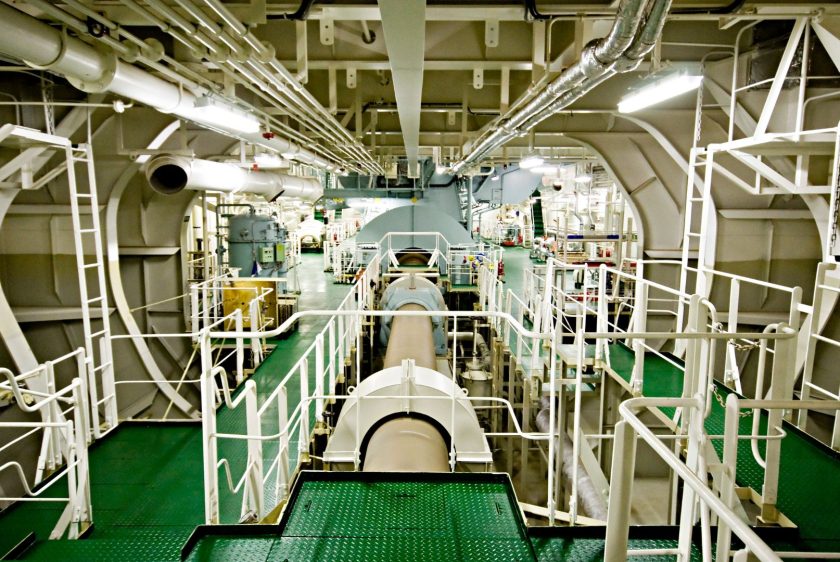
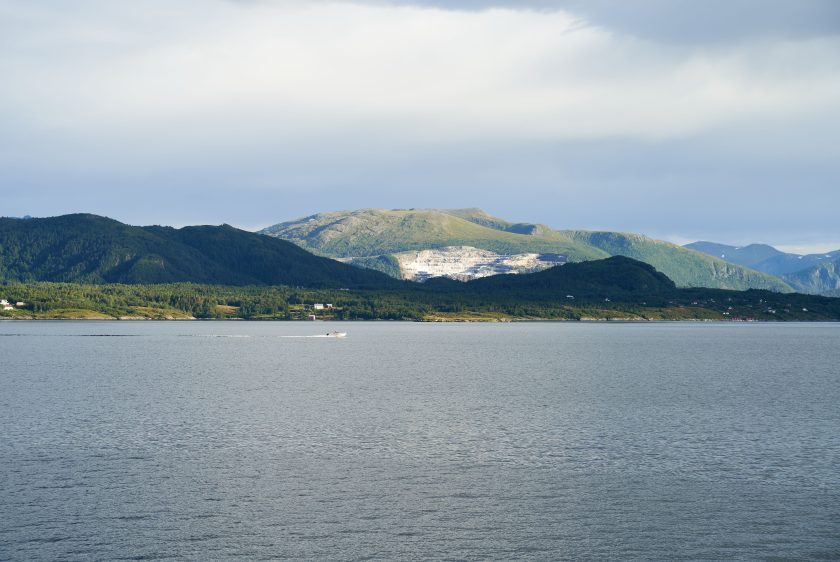
A vessel transiting the Norwegian Sea in early 2026 faces something that did not exist the year before. The area is now a designated Emission Control Area. For many operators running bulk carriers or tankers on northern European routes, the question is the same: what does this actually change inside my engine room?
The answer depends on when your ship was built — and most existing fleet operators are getting this wrong.
What Changed and When
The Norwegian Sea ECA entered into force in March 2026. It sits alongside the existing North Sea and Baltic Sea ECAs, extending the controlled area further north along the Norwegian coastline.
An ECA brings two types of requirements. One covers nitrogen oxides. The other covers sulphur oxides. They do not come into force at the same time, and they do not apply to all ships equally. Understanding that difference matters more than knowing the ECA exists.
The NOx Rule — And Why It Probably Does Not Apply to Your Ship Yet
The NOx Tier III requirement in the new Norwegian Sea ECA applies to ships contracted for construction from March 2026 onwards. Ships with a keel laid before that date — which includes most vessels currently in commercial operation — are not required to meet Tier III in this area.
This is the most common misunderstanding. Superintendents hear “new ECA” and immediately think about SCR retrofits. For your existing Panamax bulk carrier or Aframax tanker, the NOx rule in the Norwegian Sea is not your immediate problem.
Tier III compliance requires either a selective catalytic reduction system or exhaust gas recirculation. These are significant engineering changes. They are relevant for your next newbuild order, not for your existing fleet operating today.
The SOx Rule — This One Applies to Everyone
The sulphur requirement is different. From March 2027 — one year after the ECA entered into force — all ships transiting the Norwegian Sea must burn fuel with a sulphur content at or below the ECA limit. This applies regardless of when your ship was built.
The same rule has been in place in the North Sea and Baltic for years. If your vessel already manages fuel switching when entering those areas, the Norwegian Sea adds one more zone to that procedure.
If you run a scrubber, check that your system is approved and operating correctly before transiting. The wash water requirements and operational documentation expectations in ECAs are checked by port state control.
If you fuel switch, the practical issue is the same as in any ECA: blending, purging, and the time needed to flush the system before you cross the ECA boundary. Cold northern waters affect fuel handling differently than Mediterranean operations. Viscosity changes faster. That matters for injection timing and pump wear.
The Non-Obvious Part: Route Planning Has Changed
The Norwegian Sea ECA shifts the map for northern voyages. Vessels transiting between Northern European ports and North American ports, or operating in Norwegian waters, now have a larger controlled zone to manage.
The boundary is not the same as Norwegian territorial waters. Check the exact coordinates against your current trading routes. Some voyage patterns that previously stayed outside ECA boundaries now cross into controlled water.
Your voyage planning system and bunker planning need to reflect this. A vessel that runs HFO on the main engine and has not updated its ECA boundary data is operating with outdated information.
What to Check on Your Fleet Now
Three things before your next voyage through northern European waters.
First, confirm whether your current trading routes cross the Norwegian Sea ECA boundary. Not every northern European voyage does. Know your specific exposure.
Second, check that your fuel switching procedure covers the Norwegian Sea as a named area. Generic “ECA entry” procedures are fine if they trigger automatically from position — but verify the boundary coordinates are loaded correctly in your system.
Third, if you have vessels contracted for construction now or in the near future, the NOx Tier III requirement applies to them for this area. That means SCR or EGR systems need to be in the design from the start. Retrofitting later is significantly more expensive.
The Norwegian Sea ECA is not new technology. It is a new boundary. Whether it changes your operation depends entirely on where your ships go — and whether your paperwork reflects where those boundaries now sit.